How Plants Talk to Each Other Through Underground Electrical Signals

Plants transmit electrical action potentials through their root networks, warning neighbors of herbivore attacks with measurable voltage pulses.
Axolotls Can Regrow Entire Limbs — Scientists Are Figuring Out the Electrical Blueprint
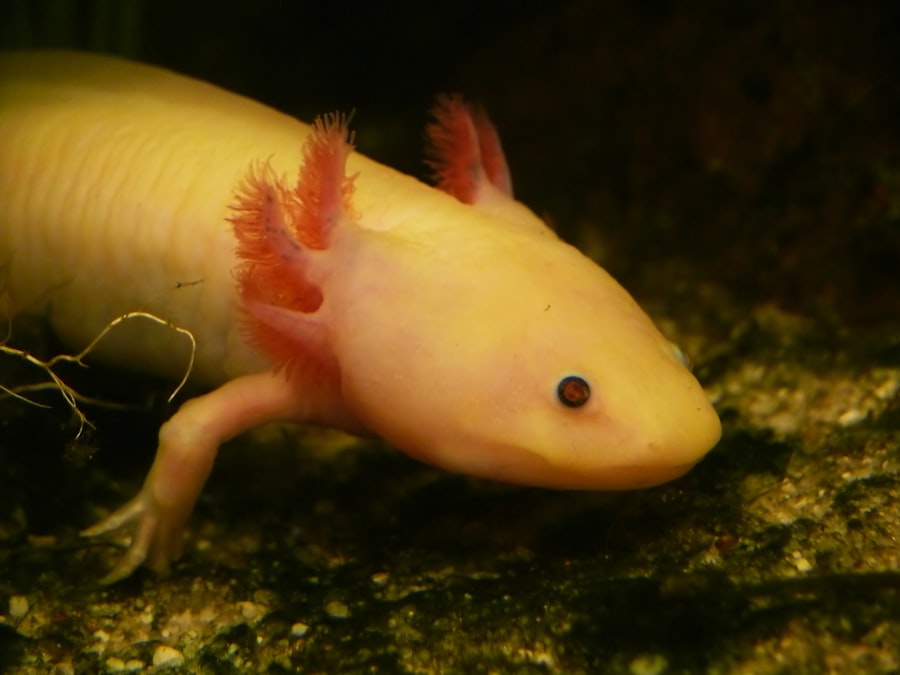
The axolotl’s ability to regenerate functional limbs comes down to bioelectric signals that guide cells back into the correct positions.
Cut a Planarian in Half. Both Halves Grow a New Head. Here’s Why.
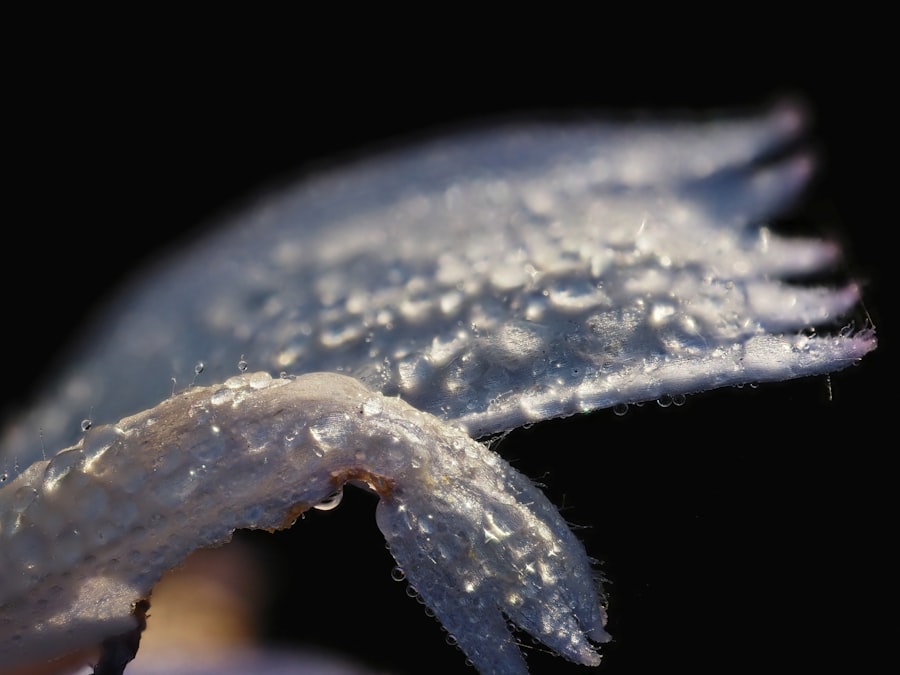
Planarian flatworms can regenerate a complete head — including brain and memories — from a severed tail fragment. The process is guided by bioelectric signals, not just genes, and it’s teaching us how to regrow things that shouldn’t be possible.
Medtronic’s Self-Tuning Brain Implant Is the Future of Parkinson’s Treatment
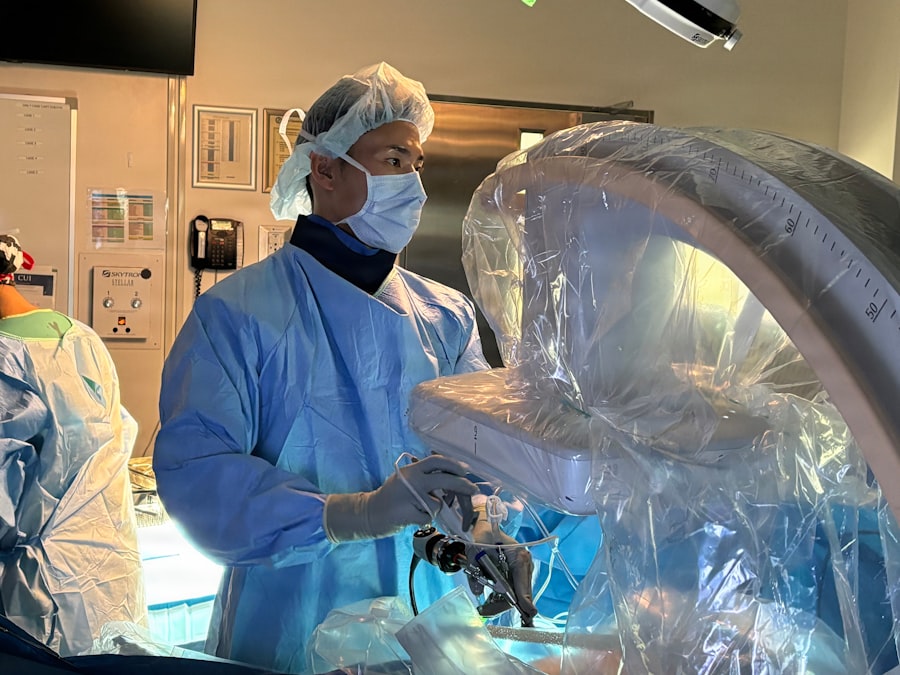
Medtronic’s BrainSense Adaptive DBS system — cleared by the FDA in 2025 — is the first brain implant that reads neural signals in real time and adjusts its own stimulation accordingly. The era of closed-loop brain medicine has begun.
Membrane Potential: The Hidden Electrical Language Every Cell Speaks

Every cell in your body maintains a voltage difference across its membrane. This isn’t just a side effect of chemistry — it’s a fundamental information channel that controls cell identity, behaviour, and potentially cancer.
Brain-Computer Interfaces Are Leaving the Lab — What Comes Next?
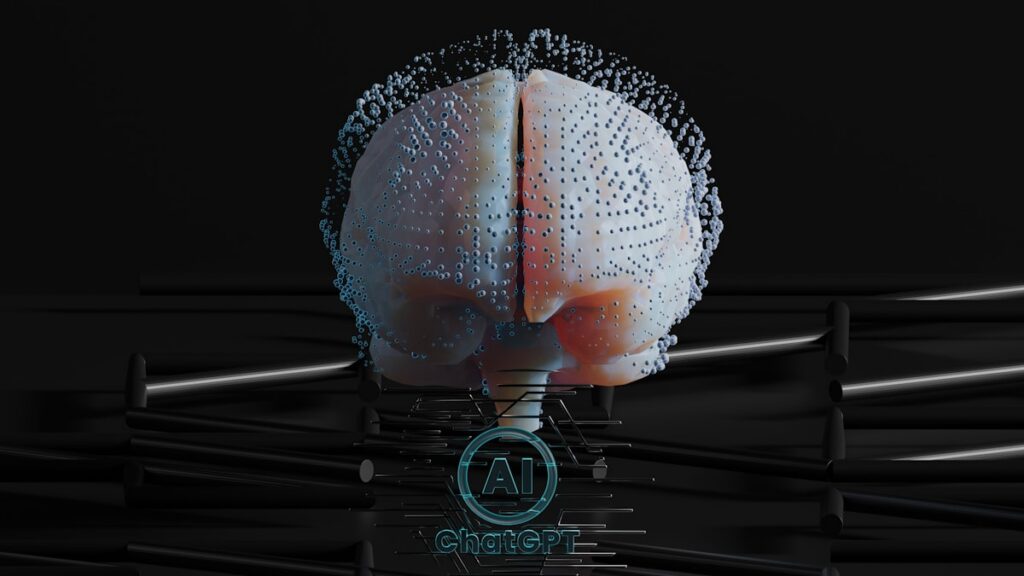
After two decades of academic prototypes, BCIs have a real commercial pipeline — Neuralink, Synchron, Onward, Precision, and others — but the gap between ‘first patient’ and ‘available therapy’ is its own ten-year problem.
The Vagus Nerve Is Becoming Medicine’s Most Powerful Dial
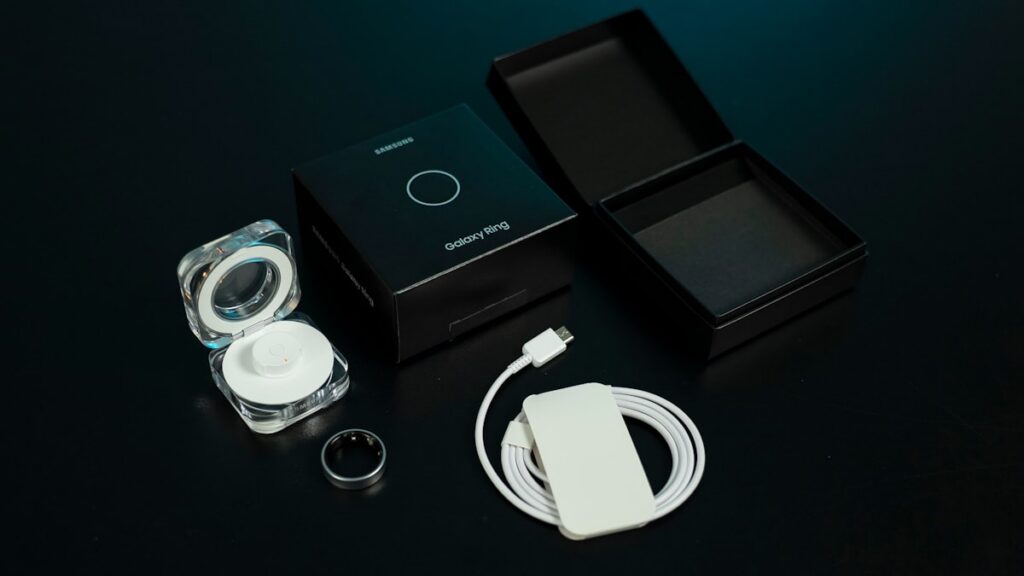
Once a footnote in anatomy textbooks, the vagus nerve is now FDA-approved territory for epilepsy, depression, and stroke recovery — and a new generation of bioelectronic implants is taking aim at autoimmune disease, migraine, and the gut-brain axis.
Xenobots: The First Living Machines Built From Frog Cells
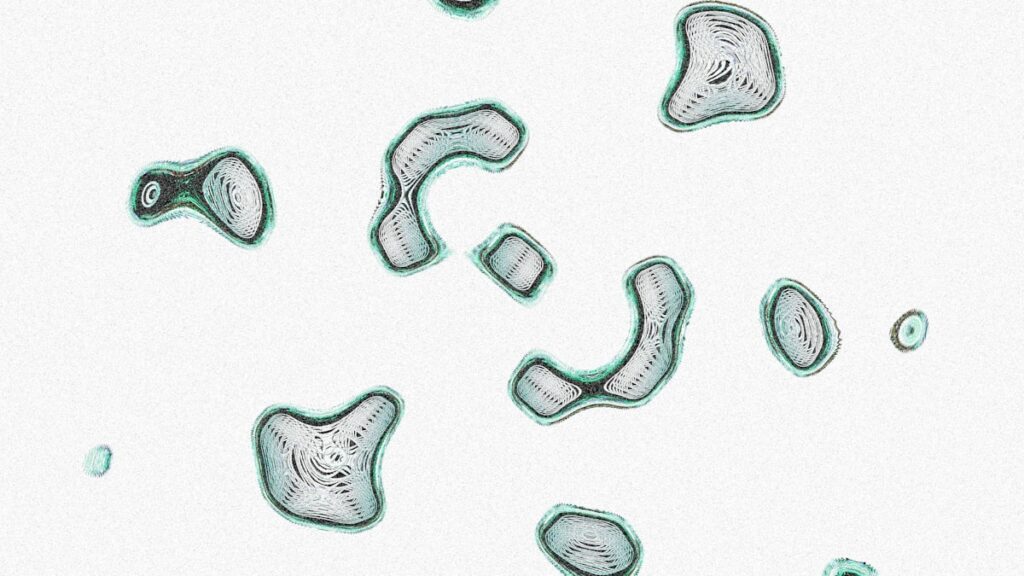
The first living machines built from frog stem cells can move, carry payloads — and reproduce. Xenobots are rewriting what we thought was possible at the intersection of biology and engineering.